What Is the New Building Premium in Beşiktaş and How Does It Affect Real Estate Value?
If there is an increase in the floor area ratio (FAR)—either for the specific building undergoing urban transformation or within the surrounding area—and property owners end up with more usable space than they would have under a standard redevelopment, this works to the owners' advantage. Another factor that can drive up the value of a renovated building is the inclusion of social amenities within the project. In high-end residential areas of Beşiktaş—such as Etiler, Ulus, Bebek, and Nisbetiye—the specific floors that will enjoy a Bosphorus view, as well as the nature of that view, are crucial factors in determining the extent of the building's value appreciation.
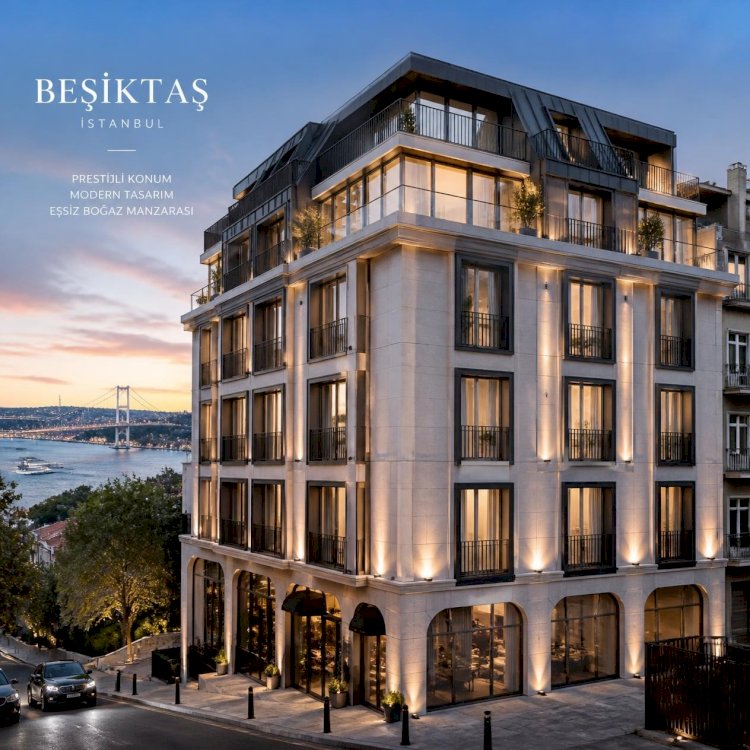
Urban transformation is not merely the renovation of an old building. A well-planned project can yield significant appreciation in real estate value and optimize long-term asset value for property owners.
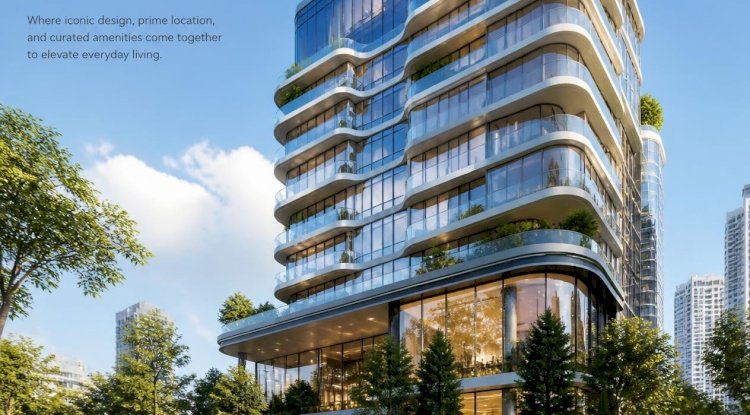
Key factors determining the appreciation potential of the new building include value-enhancing criteria such as increased floor area ratio (FAR), gains in usable space, social amenities, architectural design, and Bosphorus views.
1. Increased Floor Area Ratio and Gains in Usable Space
Securing an increase in the floor area ratio—whether for the specific project or within the district where the building is located—is one of the most significant advantages for property owners.
If the independent units in the post-transformation building offer greater net or gross usable area compared to standard redevelopment conditions, the market value of the new property rises directly. This increase in usable space creates a significant multiplier effect on both sales prices and rental income.
2. Social Amenities Boost the Value Appreciation of New Buildings
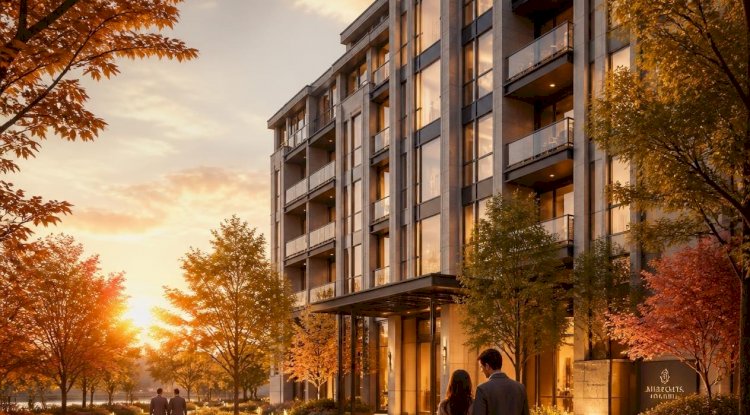
Social amenities included in projects designed to meet modern lifestyle expectations significantly enhance the value of a new building.
Features such as:
Indoor parking
Fitness centers and gyms
Indoor or outdoor swimming pools
Concierge services
24/7 security
Smart building technologies
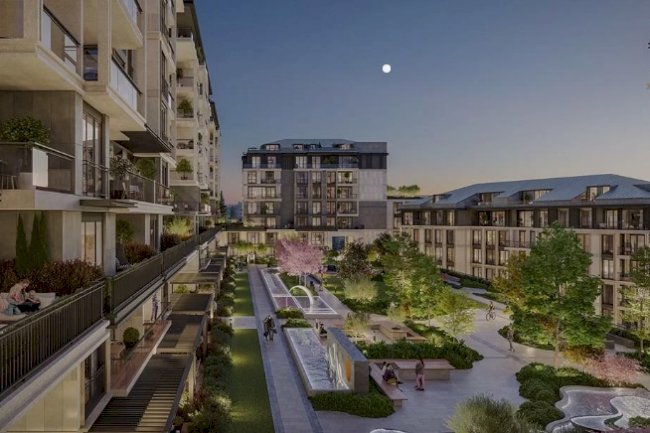
Landscaped areas and communal living spaces
...boost both end-user demand and investor interest, thereby strengthening the property's potential for value appreciation.
3. Modern and Efficient Floor Plans
The more functional architectural solutions developed in new projects are also a key factor driving value appreciation.
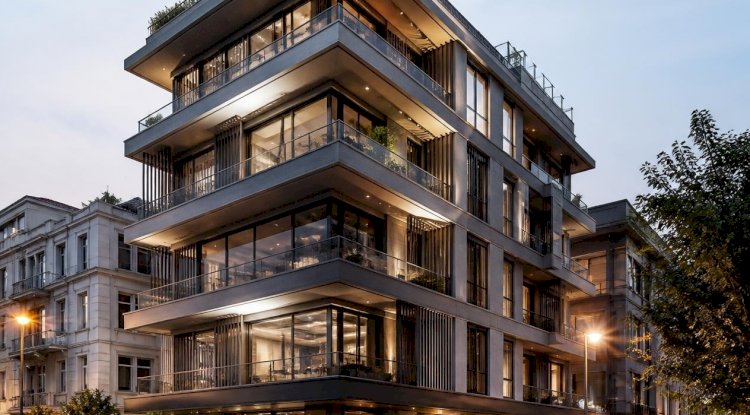
Design elements that meet the expectations of today’s users—such as
more efficient use of square footage,
spacious living areas,
large balconies,
en-suite bathrooms,
open-plan kitchens or functional layouts,
high ceilings, and
the use of natural light—
enhance the new building's competitiveness in the market.
4. Value Appreciation in Renovated Buildings
According to general market observations, following the successful completion of an urban transformation project, the value of individual units can often at least double compared to the original structure.
However, the most critical factors determining the extent of this appreciation are the increase in usable area of the new unit relative to the old structure and the quality of life offered by the project.
5. The Bosphorus View Is One of the Most Critical Factors Determining the Value of a New Building
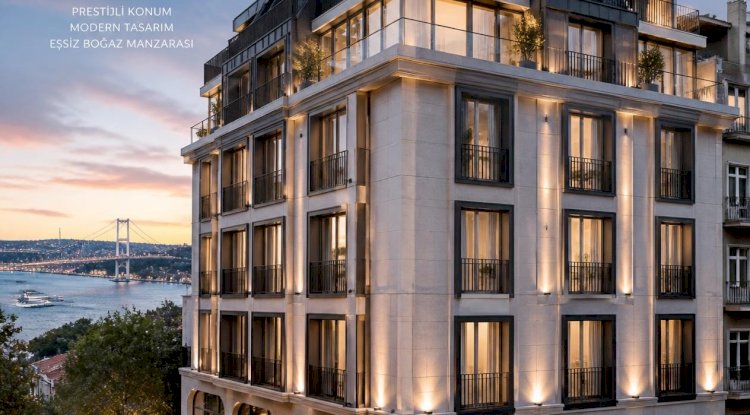
In premium locations within Beşiktaş—such as Etiler, Ulus, Bebek, Nisbetiye, Levazım, and the Bosphorus waterfront—the extent of the Bosphorus view resulting from urban transformation is a key factor in determining the appreciation potential of a new building.
Specifically, factors such as:
Which floors command a Bosphorus view,
The openness of the view,
The viewing angle,
The risk of the view being obstructed, and
The advantage of a terrace or a wide frontage
directly influence the market value of the new individual units.
In some premium projects, the quality of the Bosphorus view alone can increase the sales value by up to approximately 25% compared to a similar property.
Expert opinion:
In urban transformation, genuine value appreciation does not stem solely from the construction of a new building.
Strategic value elements—such as increased development rights (density), gains in usable area, modern architecture, social amenities, and, notably, a Bosphorus view—are the fundamental factors determining the new building's market value.
When evaluating urban transformation projects in premium areas such as Beşiktaş, Etiler, Ulus, Bebek, and Nisbetiye, one must analyze not only the construction process itself but also the project's future real estate value, investment potential, and asset management perspective.
What's Your Reaction?