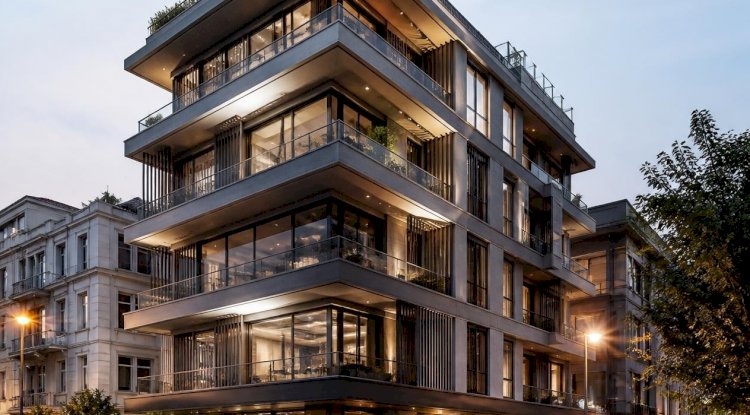
Urban Transformation in Beşiktaş: How Is the Value of a New Building Determined?
Explore the value of a new building in Beşiktaş following urban transformation, considering factors such as architectural design, location, residential and commercial units, target audience, pricing, and marketing strategy.
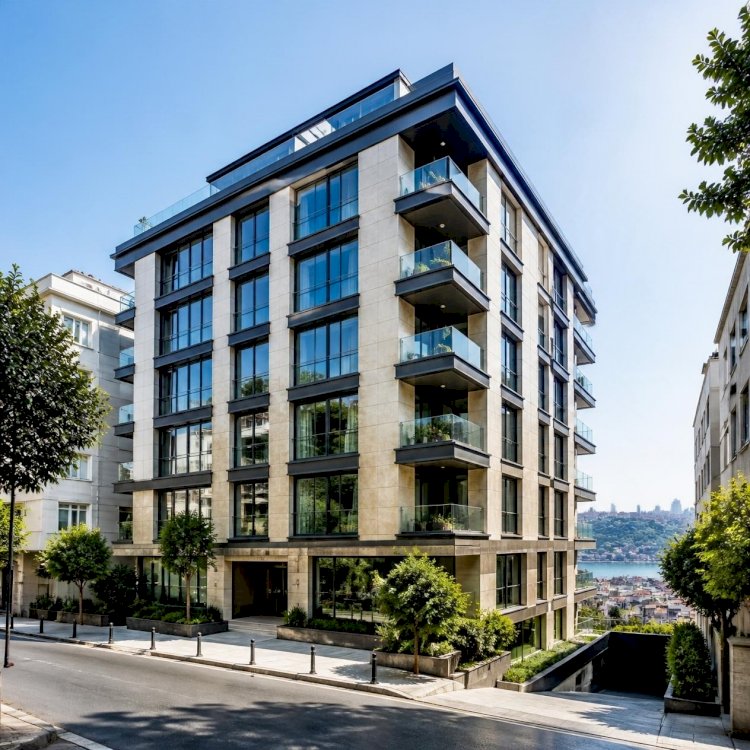
An Outside-In Perspective: A Strategic Approach to Creating Value in Real Estate
Throughout my professional life, I have always valued the "outside-in" perspective, adopting it as a core guiding principle in my work.
This approach prioritizes objective analysis over subjective assessment, concrete data over personal bias, and diverse viewpoints over conventional, set patterns. It helps us understand not just what we are doing, but why we are doing it—thereby increasing the potential for any decision to generate real value.
In the real estate sector, this approach is particularly significant.
For a building in Beşiktaş undergoing urban transformation, the primary objective should not merely be renewal; rather, it should be to generate the highest possible sustainable real estate value following the transformation.
While this goal may encompass different expectations—whether for future residents, those planning to sell their individual units, or property owners seeking rental income—it converges on a common strategic foundation: a real estate asset that is well-designed, well-positioned, and perfectly suited to its target users.
What Factors Determine the Value of a New Building?
The renewal of a building does not, in itself, guarantee a high market value, strong rental yields, or a quick sale. The value of a new real estate asset emerging from urban transformation is shaped by a combination of factors—ranging from its location and architectural design to the quality of its individual units and the profile of its target buyers.
1. Facade, View, and Location Advantage
In an area like Beşiktaş—which encompasses diverse user profiles and real estate segments—a building’s facade, natural light exposure, view, and its relationship with the surrounding environment are just as significant as its specific location.
For premium residential properties, factors such as the view, floor level, privacy, and access to daylight can directly influence value. In the case of commercial real estate, key considerations include frontage on a main street, visibility, pedestrian traffic, accessibility, and compatibility with neighboring businesses.
Therefore, at the outset of the project design phase, it is essential to conduct an objective analysis of the advantages offered by the site and its location.
2. Architectural Design and Floor Plan
The architectural design of a new building is not merely an aesthetic choice; it is a strategic decision that directly impacts user comfort, functionality, and sales potential.
In residential projects, the layout of rooms, the utility of living spaces, storage options, the inclusion of balconies or terraces, and privacy are all critical. For commercial units, value can be generated through flexible usage options, ceiling height, entrance configuration, facade width, and the ability to adapt the space to the specific needs of different businesses.
Consequently, the question should not simply be, "What kind of building should we design?"
The core question is: Which users or investors would be willing to pay a premium, and for what specific property features?
Seeking answers to this question during the project phase helps prevent potential challenges related to usage and marketing that might otherwise arise following the transformation.
3. Proper Positioning of Residential and Commercial Units
Not every unit appeals to the same type of user. Therefore, residential units and commercial spaces within a new building must be evaluated based on their specific target audiences.
For premium residences, factors such as spaciousness, views, privacy, accessibility, surrounding amenities, and quality of life are decisive.
For street-level retail units, visibility, pedestrian traffic, storefront characteristics, compatibility with target sectors, and rental affordability are key considerations. In the case of offices, accessibility, building management, parking facilities, technical infrastructure, and the needs of corporate tenants take precedence.
To maximize the value of urban transformation projects in Beşiktaş, it is essential to analyze the market dynamics of residential and commercial properties individually, rather than applying the same evaluation criteria to both.
4. Pre-defining the Target Buyer and Tenant Profile
Waiting until the transformation is complete to begin seeking potential buyers or tenants for the new building can result in a missed strategic opportunity.
Defining the target user profile during the project's design and planning stages allows for a more accurate assessment of unit sizes, usage characteristics, and marketing strategies.
For instance, a premium residential project might appeal to domestic and international investors, senior executives, or long-term owner-occupiers. Conversely, a street-level retail unit might be better suited for specific sectors within retail, services, or food and beverage.
The goal here is not to create a property that appeals to everyone, but rather to craft a compelling value proposition for the right user.
5. Competitive Analysis, Pricing, and Sales Strategy
When determining the value of a property resulting from urban transformation, focusing solely on construction costs, land value, or the property owner’s expectations is insufficient.
Factors such as new buildings in similar locations, alternative residential and commercial properties, completed sales, current rental rates, and market demand conditions must all be evaluated together.
Subsequently, a pricing and marketing strategy tailored to the project’s target buyer profile should be developed.
A new building being ready for sale is not the same as it being correctly positioned in the market. Setting the right price, selecting channels to reach buyers, crafting the marketing message, and managing the sales process are all integral components of a project’s commercial success.
Value Creation in Urban Transformation Does Not End with the Completion of Construction
In the context of urban transformation in Beşiktaş, viewing the process merely as the replacement of an old building with a new one may lead to an incomplete assessment of the property’s economic potential.
It is essential to analyze the advantages and limitations of the existing property prior to transformation, consider the target users during the project development phase, and implement appropriate pricing, marketing, and sales management strategies once the new building is completed.
While architectural, legal, technical, and financial assessments are addressed within their respective areas of expertise, a strategic perspective—evaluating the property’s market position and commercial potential—is equally vital.
Ultimately, the success of a new building depends not only on how it is constructed, but also on the needs it addresses, the users it targets, and how it is positioned within the market.
Conclusion: The Value of Real Estate Begins with the Right Questions
In the context of urban transformation in Beşiktaş, the value of a new building is not determined by a single individual or a solitary factor. Rather, value is shaped by the interplay of location, architectural design, the specific characteristics of individual units, user expectations, competitive conditions, and commercial strategy. The market, in turn, reveals how this value resonates with the preferences of potential buyers and tenants.
For this reason, an "outside-in" perspective serves as a crucial starting point for urban transformation projects. It is essential to first understand the market, the users, and the property’s potential—and subsequently, to develop decisions regarding design, pricing, and marketing based on these analyses.
True success in real estate lies not merely in constructing a new building, but in creating the right value for the right user—and managing that value in a sustainable manner.
Ozkan Ozel | Strategic Real Estate Asset Management / Besiktas, İstanbul
What's Your Reaction?